Apicoectomy
Sometimes a tooth that has had a root canal stays inflamed at the tip of its root. An apicoectomy removes that inflamed tissue and seals the root end, often saving the tooth.
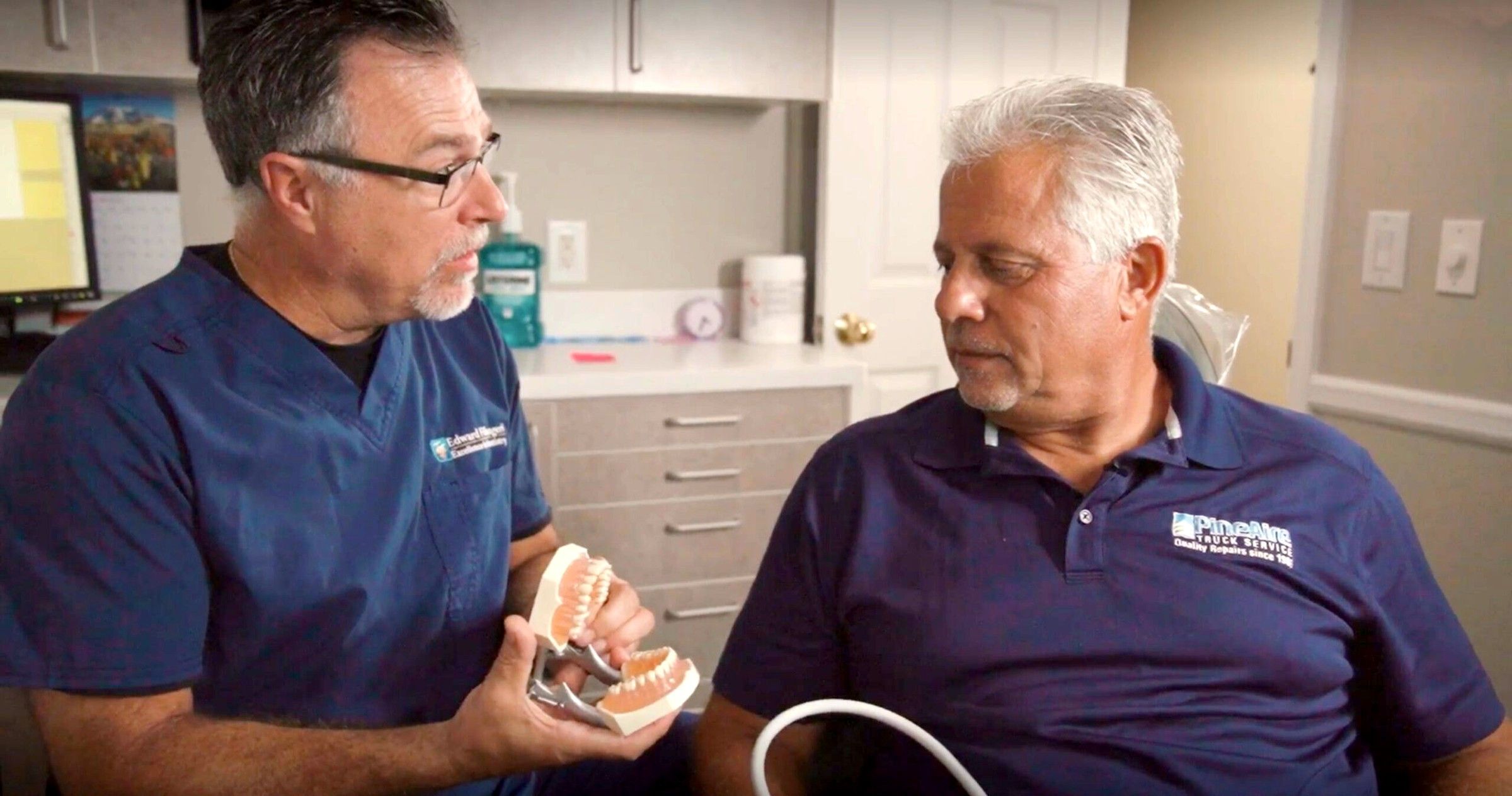
When it is needed
Most root canals heal completely. Occasionally a tooth becomes reinfected, sometimes years later, or inflammation lingers at the root tip where a standard root canal cannot reach. An apicoectomy, also called root-end resection, treats that area directly.
What happens
- The area is numbed with local anesthetic.
- A small opening is made in the gum to reach the tip of the root.
- The inflamed tissue and the very end of the root are removed.
- The root end is cleaned and sealed with a biocompatible filling.
- The gum is closed with a few stitches.
The top of the tooth stays as it is.
Afterward
Expect light bleeding and some swelling for the first day or two. Keep the area clean, take any medication as directed, eat soft food on the other side, and avoid anything that could knock the area. Most people feel back to normal within a few days.
Questions people ask us
Is an apicoectomy painful?
The area is fully numbed, so you should feel pressure but not pain. Expect some swelling and tenderness for a few days afterward.
How long does it take?
Usually 30 to 90 minutes, depending on which tooth it is and how complex the root is.
When will it be fully healed?
Stitches come out or dissolve within a couple of weeks, and the gum heals quickly. The bone around the root end fills in over several months, which we check on follow-up x-rays.
Related care
Dr Filangeri has been my dentist for 25 years. Would not go anywhere else. He and his staff are amazing. Very friendly, knowledgeable and caring. Have always gone out of their way to help and accommodate me.

Talk to a real person
Call and you will reach our front desk, not a call center. If you would rather not call, send an appointment request and we will phone you back to find a time.
516 Hawkins Ave, Lake Ronkonkoma. Free parking beside the office.